

Planning Home Improvements for 2026? Consider Bituminous Waterproofing
In Home Renovation Planning, Performance Is Now a Priority
In home renovation planning, there has been a paradigm shift recently. Today, Australian homeowners do not think only about the aesthetics of the renovation; rather, they think about its performance. In 2026, more homeowners understand that hidden elements, like moisture protection, should come first.
Water intrusion remains one of the most common causes of long-term structural damage in homes. It can affect concrete, steel reinforcement, internal finishes, and even indoor air quality. Once moisture problems appear, repairs are often disruptive and expensive. That is why forward-thinking homeowners are prioritising reliable waterproofing early in the planning process.
Whether you are upgrading a balcony, extending your home, or preparing for a full renovation, choosing a proven waterproofing system can make a meaningful difference to how your property performs in the years ahead.
Why Bituminous Waterproofing Is Worth Considering for 2026
When it comes to durability, some systems have stood the test of time. Australian construction widely uses bituminous waterproof solutions because they provide dependable protection in areas where water exposure is constant or unavoidable.
These systems are particularly valued in conditions where temperature changes, soil moisture, and weather patterns place stress on building materials. As homes become more complex and expectations around longevity increase, many builders continue to specify this option for high-risk zones.
Key Reasons Homeowners Consider It
-
Strong resistance to ground moisture and water pressure
It is incorporated with consideration of the type of damp conditions under which the soil is, which is perpetual and always has water, unlike above-ground conditions, where water is only sometimes present. This helps prevent leaks in foundations and retaining walls. -
Reliable performance in below-ground and exposed applications
Whether it is used underground or in areas exposed to rain and changing weather, the system holds up well over time. It is designed to cope with movement, temperature shifts, and repeated wetting without breaking down or losing effectiveness. -
Compatibility with concrete and masonry substrates
Because it works naturally with materials like concrete and masonry, it can be applied without complicated transitions or excessive preparation. This makes it easier to achieve consistent coverage across different parts of a structure. -
Long service life when installed correctly
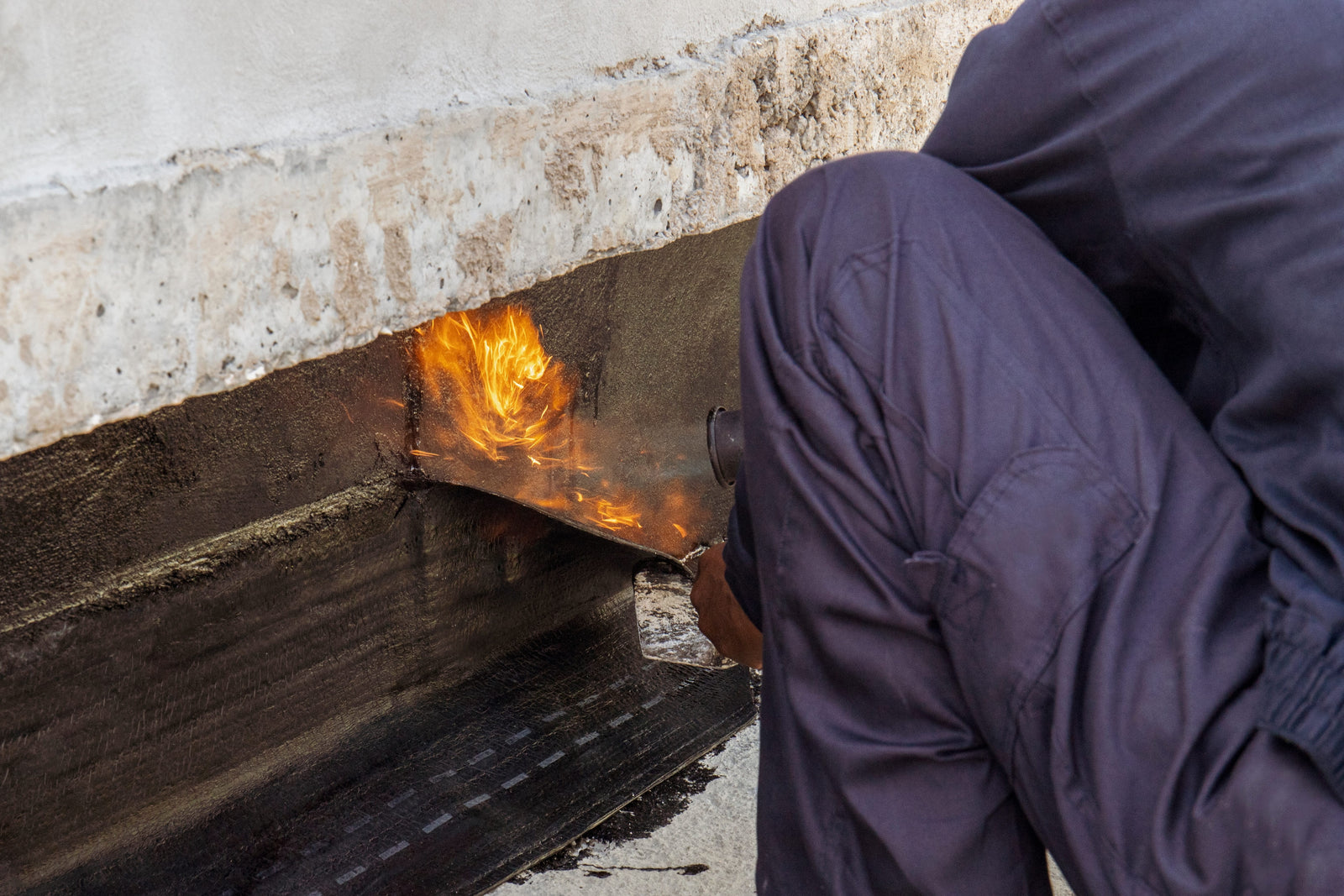
When applied by skilled applicators and allowed time to properly cure, this style of waterproofing provides a long-term protective function. It allows homeowners to reduce the need for repair and assures that the structure has been protected not only for years but also through seasons.
Planning waterproofing at the design stage allows these benefits to be fully realised, rather than compromised by last-minute decisions.
Where Bituminous Waterproofing Performs Best
Not all parts of a home face the same moisture risks. Certain areas consistently benefit from more robust protection, especially where access for repairs is limited once construction is complete.
Typical Applications
-
Foundations and basement walls are exposed to the surrounding soil moisture
Such areas of a structure are constantly under wet soil conditions, and hence, water attempts consistently to make its way inside. In the absence of appropriate safeguards, water may slowly penetrate the concrete structure well before it can be detected on the inside. -
Retaining walls subject to constant hydrostatic pressure
After rain, retaining walls are under ongoing pressure from wet soil pushing against them. Over time, that pressure can drive moisture through small weaknesses, which is why reliable waterproofing is especially important in these areas. -
Balconies and podium slabs that experience weather exposure
Balconies and podium slabs take the full brunt of the weather. Rain, heat, and temperature changes all add stress, and even minor cracks can allow water to travel into the structure below if they are left unprotected. -
Flat and low-slope roofs, where water runoff is slower
On flat or shallow-sloped roofs, drainage is less effective, allowing water to puddle for extended periods, even for hours or days. Even if the surface is only weakly waterproofed, there may be leaks.
In these locations, bituminous waterproof systems help form a continuous barrier that protects the structure beneath, reducing the risk of leaks developing years later.
Supporting Long-Term Renovation Value in Australian Homes
Home improvements are increasingly viewed as long-term investments rather than short-term upgrades. Buyers, valuers, and inspectors now pay closer attention to what lies behind finished surfaces.
Quality Waterproofing Supports Long-Term Value
-
Reducing the risk of concrete deterioration
Keeping moisture away from structural concrete helps slow the kind of wear that happens gradually over the years. When water is allowed in, it can lead to cracking, surface breakdown, and corrosion of the steel reinforcement beneath. -
Limiting moisture-related mould growth
When moisture is well regulated from the outside, it is difficult for mould to develop in the walls and floors. This results in a healthy environment and prevents musty smells inside homes. -
Protecting internal linings and insulation
Dry structures protect what is inside them. Internal linings and insulation stay intact, perform as intended, and are less likely to warp, stain, or lose efficiency due to hidden moisture exposure. -
Minimising future maintenance costs
Getting waterproofing right early reduces the need for ongoing fixes later. It helps avoid repeated repairs, investigative work, and unexpected expenses that often arise from water damage discovered too late.
A properly planned waterproofing strategy also helps renovations age more gracefully, particularly in high-exposure areas that are costly to access once completed.
How Bituminous Waterproof Compares to Other Systems
There are several waterproofing options available, including liquid membranes and cement-based coatings. Each system has strengths, but suitability depends heavily on the environment and application.
Compared with lighter systems, bituminous waterproofing is often selected for demanding conditions because it:
-
Handles sustained moisture exposure more effectively
-
Provides consistent membrane thickness
-
Performs reliably in below-ground settings
-
Offers strong adhesion to prepared concrete surfaces
This makes it a preferred choice for structural elements where failure would have serious consequences.
Planning Waterproofing Early for 2026 Projects
One of the most common issues in renovation projects is making waterproofing decisions too late. Rushing planning often leads to compromises that negatively impact performance.
Early Planning Allows Homeowners to:
-
Align waterproofing with architectural and structural design
-
Choose systems based on site-specific conditions
-
Schedule installation before finishes are applied
-
Reduce delays and rework during construction
Suppliers like Waterproofing Direct support builders and renovators during the planning phase, helping ensure the right solution is specified before work begins.
Installation Quality Makes the Real Difference
Even the most reliable materials depend on correct installation. Waterproofing requires attention to detail, proper preparation, and compliance with Australian Standards.
Key Factors That Influence Performance
-
Correct surface preparation and priming
-
Proper treatment of joints and penetrations
-
Accurate membrane application and curing
-
Protection of the system before it is covered
Working with experienced professionals and trusted suppliers significantly reduces the risk of premature failure.
Build With Confidence Using Bituminous Waterproof
Planning home improvements for 2026 is about making choices that protect your investment over time. Bituminous waterproof systems continue to be trusted for their reliability in demanding environments, helping safeguard the parts of your home that matter most.
If you are preparing for renovations or new construction, at Waterproofing Direct, we ensure your waterproofing approach is specified correctly from the start. Call 1300 557 973 for solutions that support long-term performance and peace of mind.